How to Clean Terracotta Tiles Without Wrecking Them
Part of Bathroom Cleaning · article 16 of 16
On this page
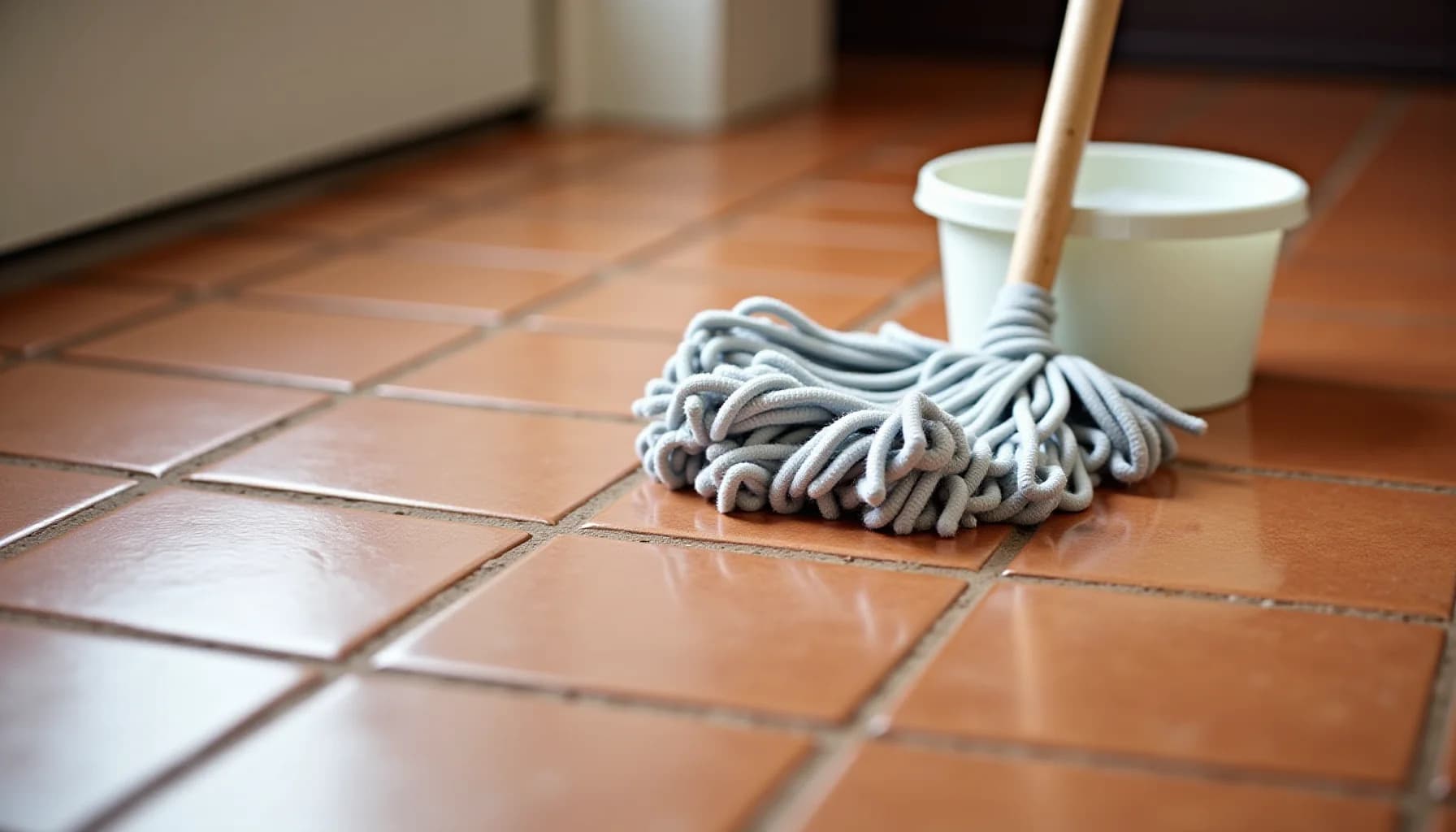
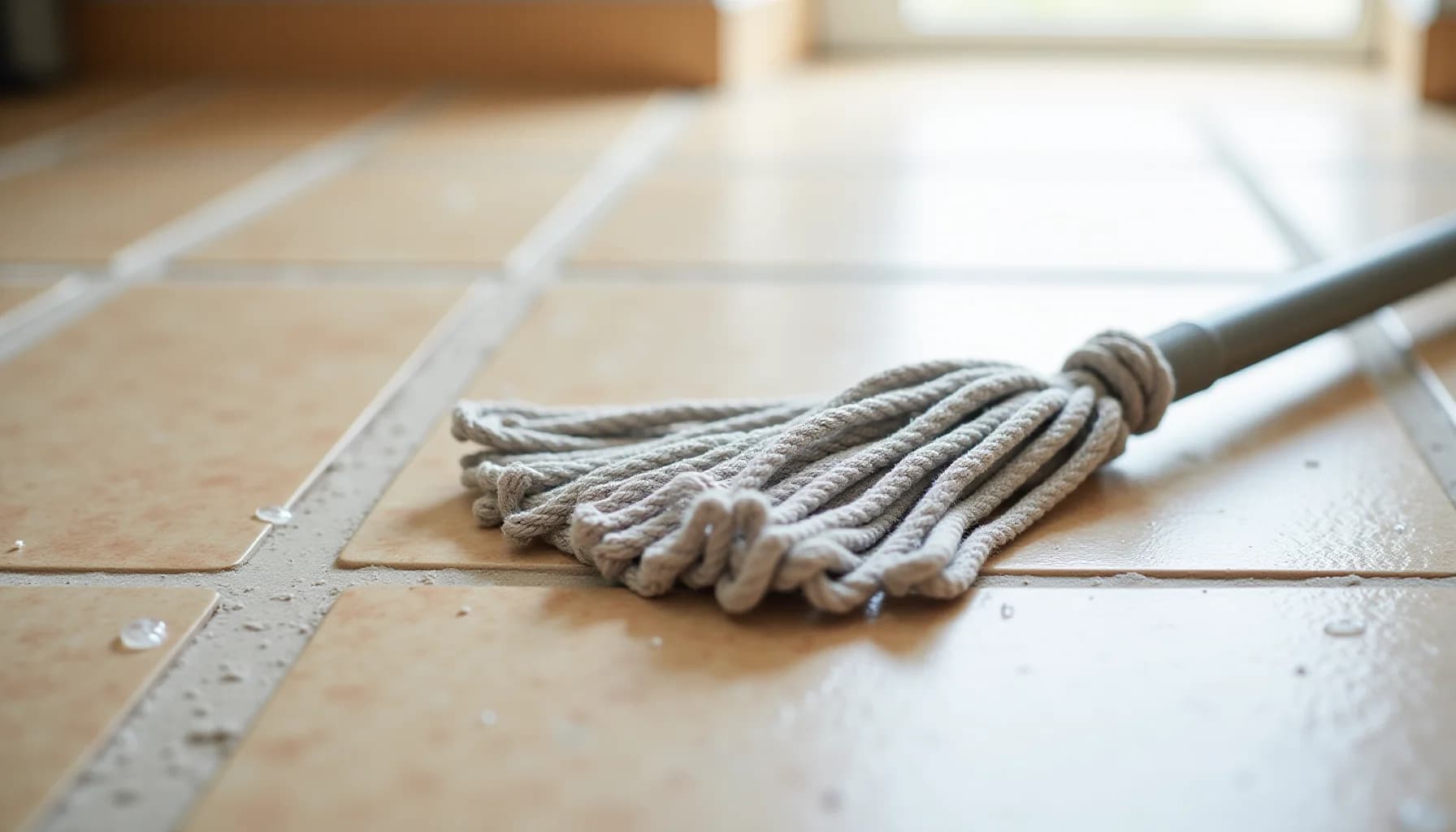
Sweep before you mop: loose grit scratches terracotta fast, and the damage is permanent. For routine cleaning, a few drops of mild dish soap in a bucket of warm water is enough. Wring your mop until it's barely damp, not wet, because terracotta is unglazed and porous by nature, meaning excess moisture seeps in and leaves marks. Rinse with clean water afterward, then dry-mop immediately. Never use vinegar, bleach, ammonia, or any acidic cleaner. These cause chemical reactions with the clay that produce fading, color changes, and microcracks, often invisible until the harm is done. If you're unsure what cleaner is safe, check which products are appropriate by tile type before applying anything new.
Why does terracotta's porous, unglazed surface make cleaning so different?
Terracotta is literally baked earth: clay mined from the ground, shaped, and fired in a kiln. Every tile leaves the kiln unglazed, meaning there is no protective glass-like coating fused onto the surface the way ceramic or porcelain tiles have. That absence of glaze is what gives terracotta its warm, matte, handmade character, and it is also what makes caring for it genuinely different from caring for almost any other floor tile.
The core issue is porosity. Without a glaze barrier, the tile's surface is riddled with microscopic pores that absorb liquids, oils, and dirt far faster than denser tile types. Spill coffee on unglazed terracotta and it does not sit on the surface long enough for you to wipe it away casually; it begins wicking inward almost immediately. The same principle applies to cleaning products themselves: the wrong cleaner does not just sit on top and rinse off. It soaks in, reacts with the clay minerals, and can cause fading, color shifts, or hairline microcracks that only become visible weeks later.
Terracotta is also softer than ceramic or porcelain, so abrasive scrubbing pads that would be harmless on a glazed bathroom tile can physically scratch and dull the surface here.
Understanding this porosity is not background theory; it directly explains every practical choice that follows, from which mop to reach for, to which cleaner is safe for your tile, to how thoroughly you need to wring that mop out before it touches the floor.
What cleaners are safe for terracotta tiles, and which ones cause damage?
Sweep or vacuum before any wet cleaning
Use a soft broom or vacuum to remove all dust, sand, and grit from the tile surface. Loose particles scratch the soft, porous clay the moment a damp mop pushes them across it.
Mix a pH-neutral cleaning solution
Fill a bucket with warm water and add a few drops of mild dish soap or a non-ionic, pH-neutral cleaner made for natural stone or clay. Avoid vinegar, bleach, ammonia, and any acidic or chlorine-based product, as these cause fading, color changes, and microcracks in terracotta.
Mop with a well-wrung, damp mop only
Dip your mop into the solution, then wring it out thoroughly so it is damp but not dripping. Excess moisture soaks into the porous clay and leaves marks, so keeping the mop just barely wet is as important as the cleaner you choose.
Rinse the floor with clean water, then dry it promptly
Empty the bucket, fill it with fresh water, and go over the entire floor with a clean, wrung-out mop to remove all soap residue. Soap left in the pores attracts dirt, so finish immediately by dry-mopping to pull up remaining moisture and prevent water stains.
Treat problem areas before they set
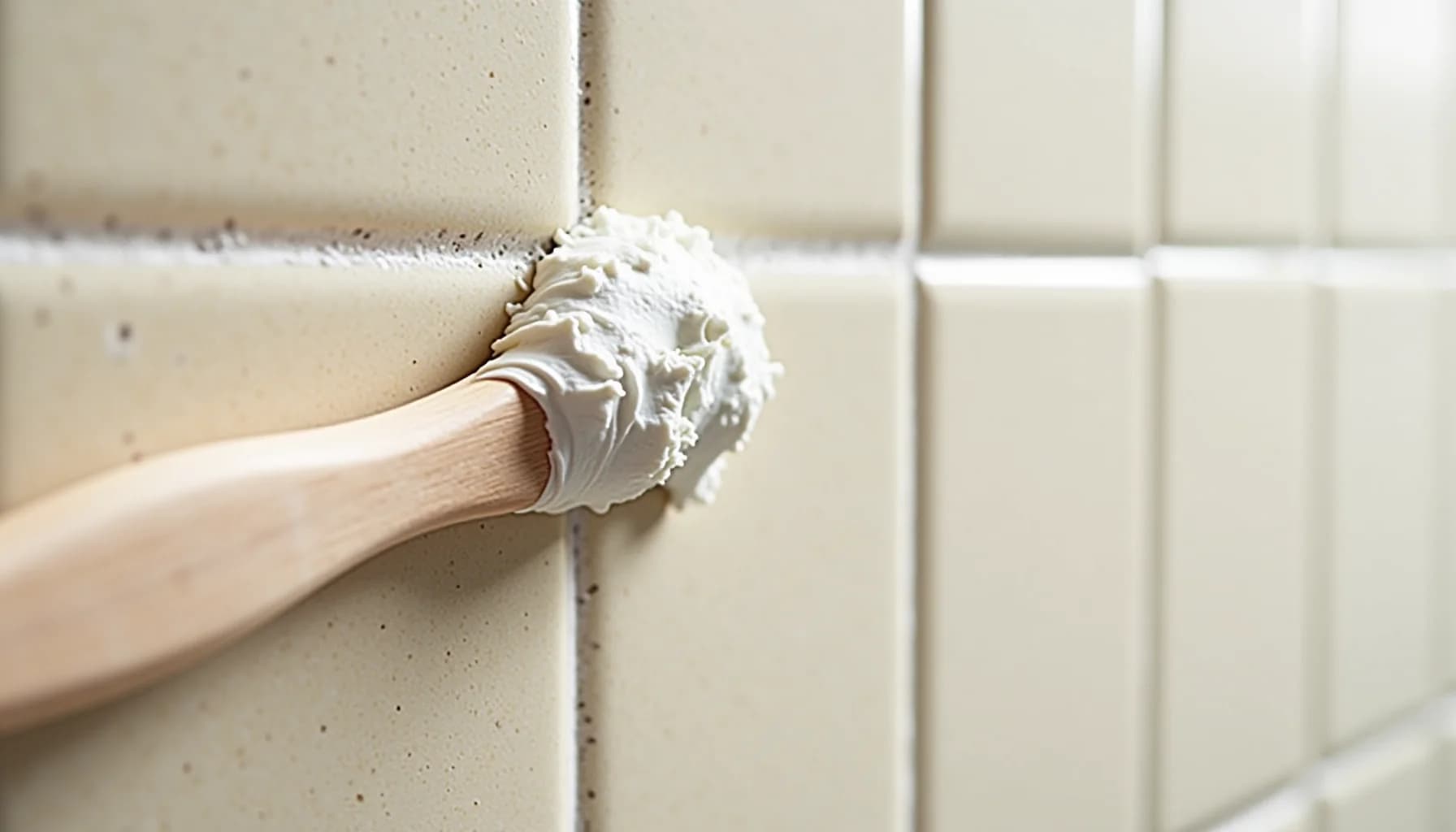
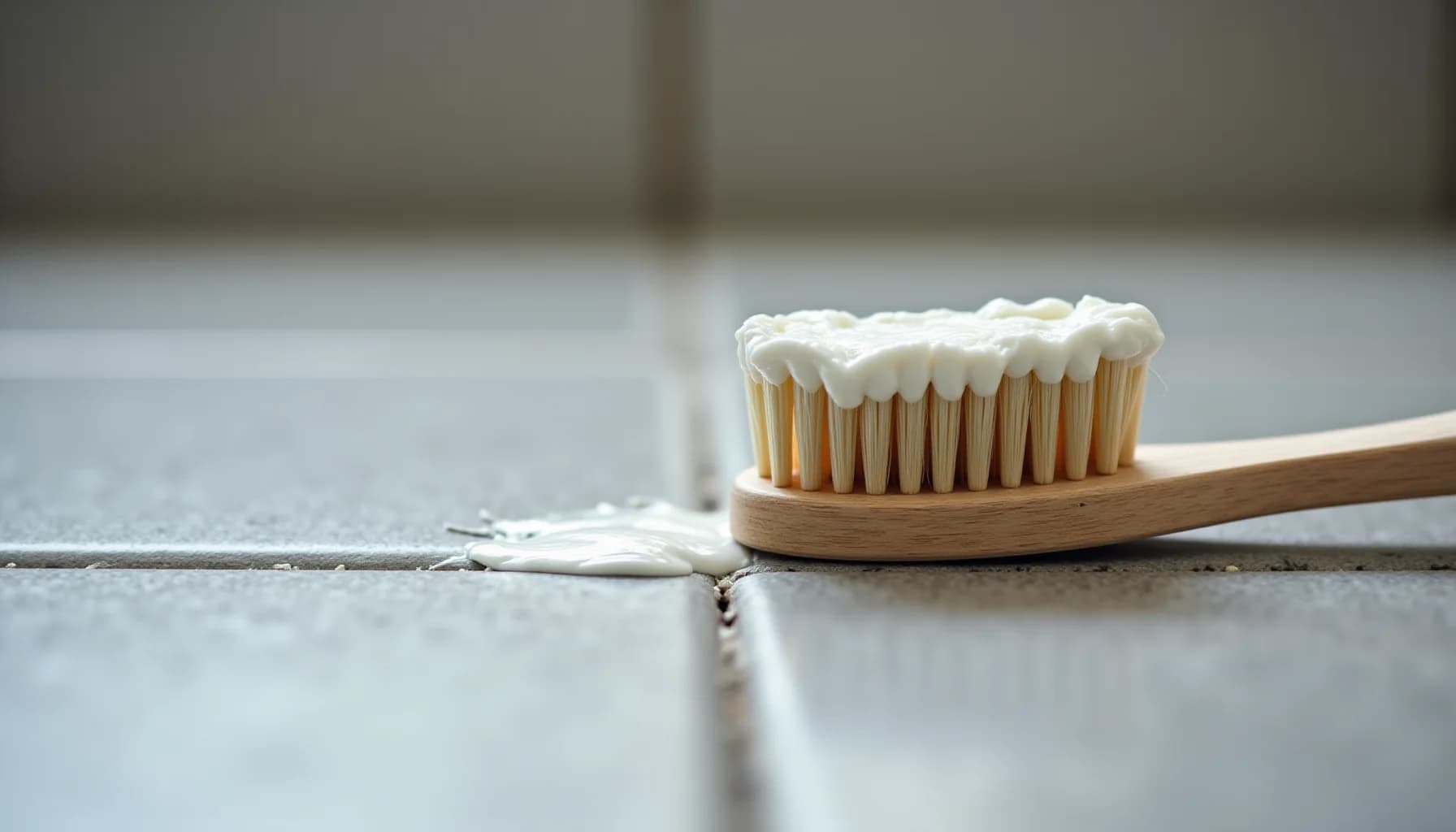
For stubborn stains, mix a solution of 25 percent stone floor cleaner in warm water, apply it lightly with a mop or sponge, leave it for about 15 minutes, then scrub and rinse thoroughly. If you notice a white, hazy bloom on the surface, that is efflorescence caused by mineral salts rising through the tile: it often disappears on its own over weeks, but a diluted hydrochloric acid cleaner, used strictly per label directions, can remove it if it persists.
Seal the tiles and test the seal on a schedule
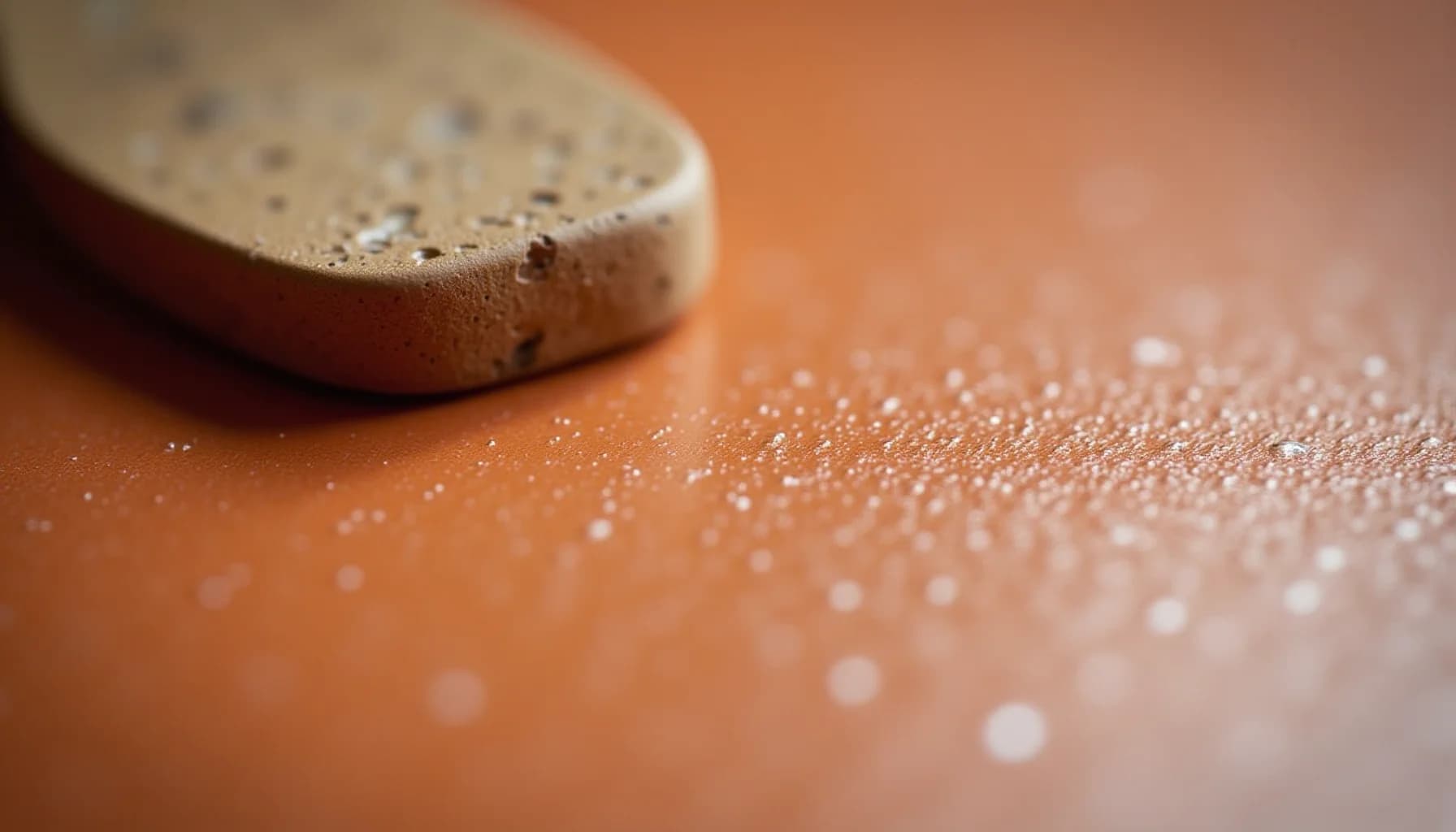
Apply a penetrating, water-based sealer to protect the porous surface, and let the floor cure for at least 24 hours before foot traffic or water exposure. Reseal every 2 to 3 years as a baseline, within 18 months in high-traffic areas like kitchens and hallways, and every 4 to 5 years in low-traffic spots. To check seal integrity any time, sprinkle a few drops of water on the tile: if the water beads, the seal is holding; if it soaks in, it is time to reseal.
How do you mop terracotta tiles without over-wetting them?
The single biggest mistake homeowners make with terracotta floors is using too much water. Unlike ceramic or porcelain, terracotta is unglazed and porous, which means a soaking-wet mop doesn't just clean the surface. It pushes moisture deep into the clay, where it can leave marks, weaken the structure over time, and compromise any sealer already in place. Moisture control is as important as the cleaner you choose.
Start dry. Before any water touches the floor, sweep thoroughly with a soft broom or run a vacuum over it. Grit and sand sitting on the surface will scratch the tile the moment a damp mop drags them across it, so this step is not optional. Pay attention to corners and grout lines where fine particles collect.
For the cleaning solution, fill a bucket with warm water and add just a few drops of mild dish soap, enough to produce a light suds. A non-ionic detergent designed for greasy dirt works especially well because it cleans without leaving residue in the pores. Residue left behind attracts more dirt, defeating the purpose entirely. You can also use a pH-neutral cleaner formulated for natural stone or clay surfaces. If you are ever unsure which products are safe for your specific floor, Which Cleaner Is Safe for Your Tile: A Guide by Tile Type offers a useful breakdown.
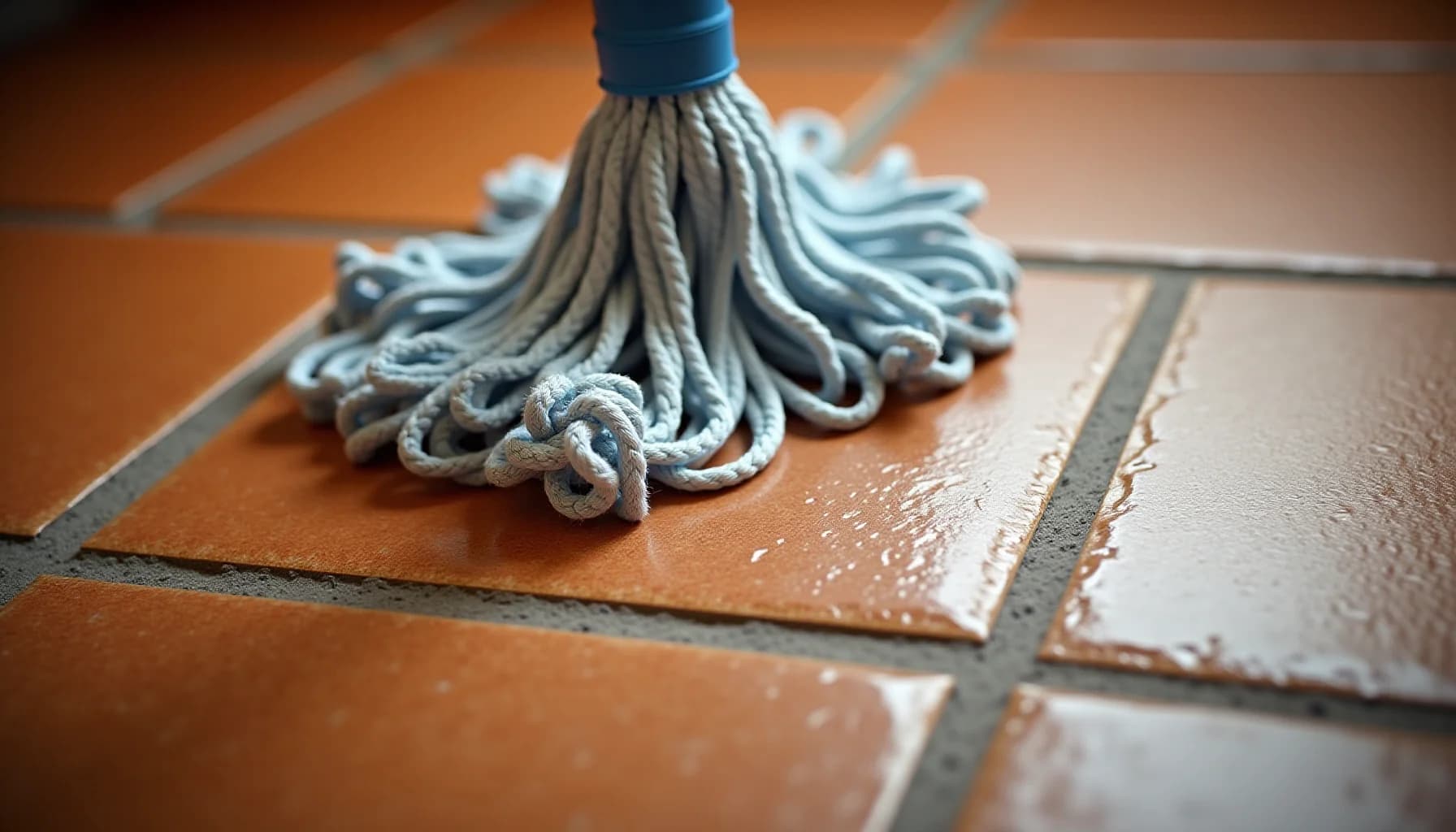
Dip your mop into the bucket, then wring it out firmly. The mop head should feel damp to the touch, not wet. Work across the floor in manageable sections.
Once you have mopped the whole area, empty the bucket, refill it with clean water, and rinse the mop. Go over the floor again to pull any soap residue off the surface. Follow immediately with a dry mop or clean towels to absorb remaining moisture. Letting the floor air-dry while still damp risks water stains and, on an unsealed or aging floor, can cause the kind of slow, cumulative damage that only becomes visible months later.
How do you remove stubborn stains and white bloom from terracotta tiles?
Stubborn stains on terracotta behave differently from stains on glazed tile, because the clay has already absorbed the offending material into its pores rather than leaving it sitting on a sealed surface. For most embedded stains, mix a stone floor cleaner at a 25 percent dilution in a bucket of warm water, apply it lightly with a mop or sponge, and let it work for about 15 minutes before scrubbing. After scrubbing, rinse the floor thoroughly with clean water and let it dry completely before foot traffic resumes. Speed matters here: the longer a spill sits on unsealed or worn terracotta, the deeper it migrates into the clay.
The white powdery or translucent film that sometimes appears on terracotta floors is called efflorescence. It is not a sign that your tiles are failing. It happens when mineral salts already present in the underlying material or substrate migrate upward with moisture and crystallize on the surface. In most cases, efflorescence will wear off on its own over several weeks or months as the salt source gradually exhausts itself. You can accelerate the process using a cleaner that contains diluted hydrochloric acid, following the label directions carefully for dilution ratios. Be aware that the bloom may return intermittently until the underlying salt supply is fully depleted.
One important caution with any chemical cleaner on terracotta: rinse every trace of the product away with clean water and let the floor dry for at least 30 minutes before applying or reapplying a sealant. Residual cleaner left in the pores will interfere with the sealer's ability to bond properly and cure. If you are unsure whether a product is safe for your specific tile type, check which cleaners are formulated for natural clay and unglazed surfaces before committing to a full-floor treatment.
| Problem | Recommended Cleaner | Key Technique | Self-Resolves? |
|---|---|---|---|
| Everyday stubborn stain | 25% stone floor cleaner in warm water | Apply, leave 15 min, then scrub | No |
| Efflorescence (white bloom) | Diluted hydrochloric acid cleaner | Follow label dilution; may reappear | Often yes, over weeks or months |
| Greasy dirt buildup | pH-neutral non-ionic detergent | Damp mop; do not oversaturate | No |
| General surface grime | Few drops mild dish soap in water | Wring mop well; rinse thoroughly | No |
Do terracotta tiles need to be sealed?
Sealing is not optional for terracotta. Because every terracotta tile starts as unglazed, fired clay, its porous surface will absorb a spilled cup of coffee or a splash of cooking oil almost immediately if left bare. A proper sealer gives you a reaction window of up to four to five hours before a spill becomes a permanent stain. On an unsealed floor, that window is essentially zero.
For most homes, terracotta should be resealed every two to three years. High-traffic areas, such as hallways and kitchens, need attention sooner, closer to 18 months. Low-traffic spots like bathroom panels or a kitchen backsplash can go four to five years between applications. To check whether your current seal is still working, sprinkle a few drops of water on the surface. If the water beads up, the seal is holding. If it soaks in within a minute or two, reseal before the next spill catches you off guard.
Penetrating sealers are the most practical choice for most homeowners. They seep into the tile and solidify the structure from within without changing how the surface looks. Wax-based sealers attract more dirt and require more frequent upkeep. Traditionally, boiled linseed oil was used as a pre-sealer, and it remains an option, though modern water-based penetrating products have largely replaced it.
After applying any sealer, allow the floor to cure for at least 24 hours before water or foot traffic touches it. If you used a chemical cleaner beforehand, rinse every trace away and let the floor dry for at least 30 minutes first; residue left behind can prevent the sealer from bonding correctly. If your grout lines are also deteriorating, cleaning and resealing grout should be done in the same maintenance window, before the final sealer coat goes down.
Frequently asked questions
Can I use vinegar to clean terracotta tiles?
How often should terracotta tiles be resealed?
What is the white powdery bloom appearing on my terracotta tiles?
How can I tell if my terracotta tiles still have a good seal?
How often do terracotta tiles need to be resealed?
Resealing isn't a one-size-fits-all schedule. How often your terracotta needs a fresh coat of sealer depends almost entirely on how much punishment the floor takes. High-traffic areas, think hallways, kitchens, and living rooms, should be resealed within 18 months. Low-traffic surfaces like bathroom panels or a kitchen splashback can usually go 4 to 5 years between applications. As a general baseline for most floors, every 2 to 3 years is the working rule, though dust, dirt, and sand will gradually break the sealant down faster if you skip regular sweeping.
The simplest way to stay ahead of this is the water bead test. Sprinkle a small amount of water onto the tile surface. If it beads up and sits on top, the seal is doing its job. If it soaks straight in, you're overdue for resealing. Run this test once or twice a year, especially in kitchen zones where grease and foot traffic accelerate wear.
Building a few habits around this extends how long each seal application lasts. Sweeping daily, mopping weekly, and dealing with spills quickly all reduce the load on the sealer. The grout lines between tiles also matter here; keeping them clean and intact, as covered in how to clean grout lines, supports the overall moisture barrier the seal creates.
How this article was made
Researched and written with AI assistance. What gets published is a human editorial decision. Grounded in 8 cited sources.
Edited by Claire Mercier, Editor. The guides are written with AI assistance.
Sources (8)
- How to clean terracotta floor tiles | Real Homes
- Terracotta Tile Care and Maintenance Tips
- How to Clean and Maintain Handcrafted Terracotta Tiles
- How Do You Clean Terracotta Floor Tiles? - Limestone
- How to clean and care terracotta floors: the ultimate guide - Eco Ceramica
- How To Clean Terracotta Tiles And Keep Them Looking Beautiful – Elit Tile
- Terracotta Tile Cleaning Guide for Homeowners
- Struggling With Tile Maintenance? Try This Terracotta Tile Sealing Solution - Mom Does Reviews