How to Clean Glass Stove Tops Without Wrecking Them
Part of Appliance Cleaning · article 6 of 13
On this page
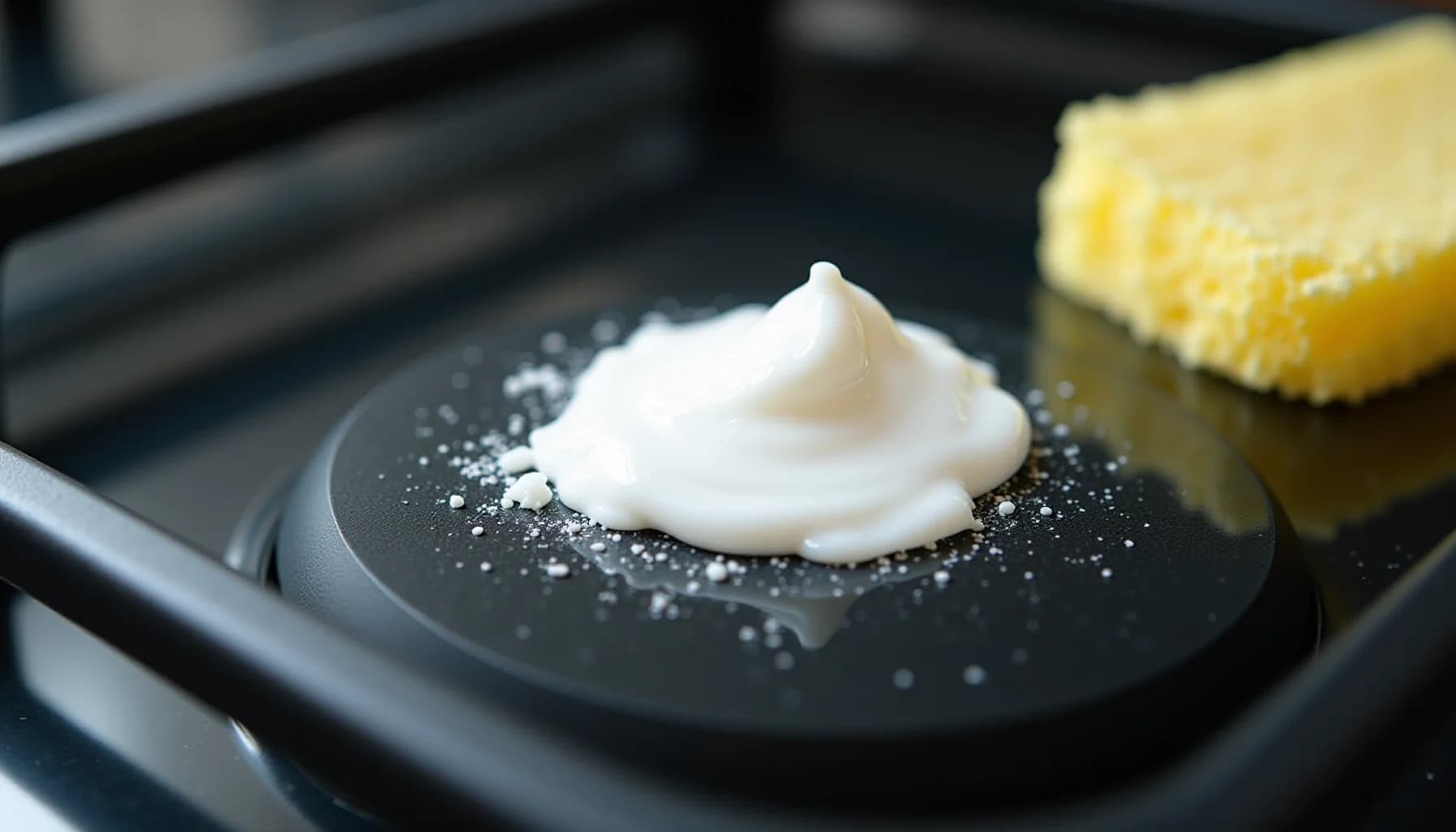
Clean your glass stove top by letting it cool completely first, then spraying it with diluted white vinegar and letting it sit for 10 to 15 minutes before wiping with a soft, non-abrasive sponge. For stubborn buildup, spread a paste of half a cup of baking soda mixed with 3 to 4 tablespoons of water over the surface, lay a hot damp towel on top, and leave it for 15 minutes or longer. If residue still clings, hold a ceramic cooktop scraper at a 45-degree angle and work it gently across the warm (not hot) surface wearing an oven mitt. Skip Windex and any glass cleaner: the ammonia in those products leaves permanent stains and can void your warranty. Steel wool, bleach, and even the scrubby side of a regular sponge are all too aggressive for this surface. Wipe down after every use and you will rarely need anything stronger than vinegar and baking soda.
What makes glass stove tops different from regular glass, and why does cleaning matter?
Glass stove tops are not simply a sheet of ordinary glass with a heating element underneath. The surface is a blend of glass and ceramic materials, engineered specifically to endure rapid swings between room temperature and high cooking heat without cracking. That combination gives the cooktop its thermal shock resistance, which is why the panel holds together through hundreds of heating and cooling cycles over its lifespan. Understanding that material distinction matters because it shapes every cleaning decision you make.
Because the surface is tempered ceramic glass rather than the soda-lime glass used in windows, it responds differently to the products and tools most people already have under their sink. It is also completely uncoated, meaning there is no protective layer standing between your cleaning product and the glass itself.
Regular cleaning is not just about appearances. Burnt-on food and spilled residue build up in layers that interfere with heat transfer from the element to your cookware, producing uneven cooking results. That same buildup generates odors during subsequent cooking sessions and, more seriously, poses a fire hazard as food particles char and carbonize with each use. Tiny abrasion marks from neglected grit on the surface also accumulate over time and eventually make the cooktop look permanently hazy, a problem that becomes harder to address the longer it is left.
The practical upshot: a quick wipe after each use with a soft microfiber cloth prevents most of the conditions that lead to permanent damage, making light maintenance far more effective than any intensive scrubbing session later.

How often should you clean a glass stove top?
Let the cooktop cool completely
Wait until the surface is fully cool to the touch before applying any cleaner. Cleaning while the glass is still hot causes streaks, residue buildup, and can cause permanent damage to the surface.
Wipe away loose debris with a soft cloth
Use a dry microfiber or soft cloth to remove any loose crumbs or food particles. Do not use the scrubby side of a sponge, as even that can scratch the delicate glass-ceramic surface.
Soak the surface with a vinegar solution or baking soda paste
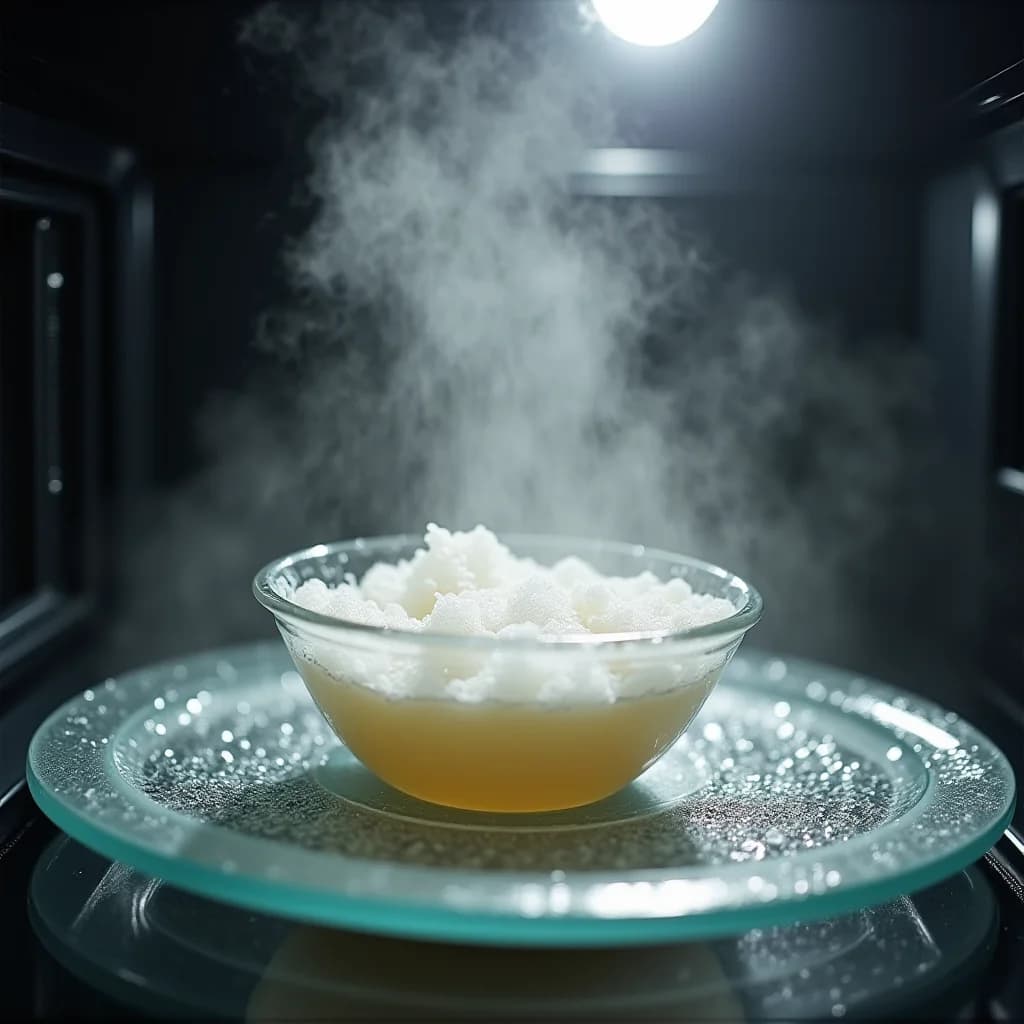
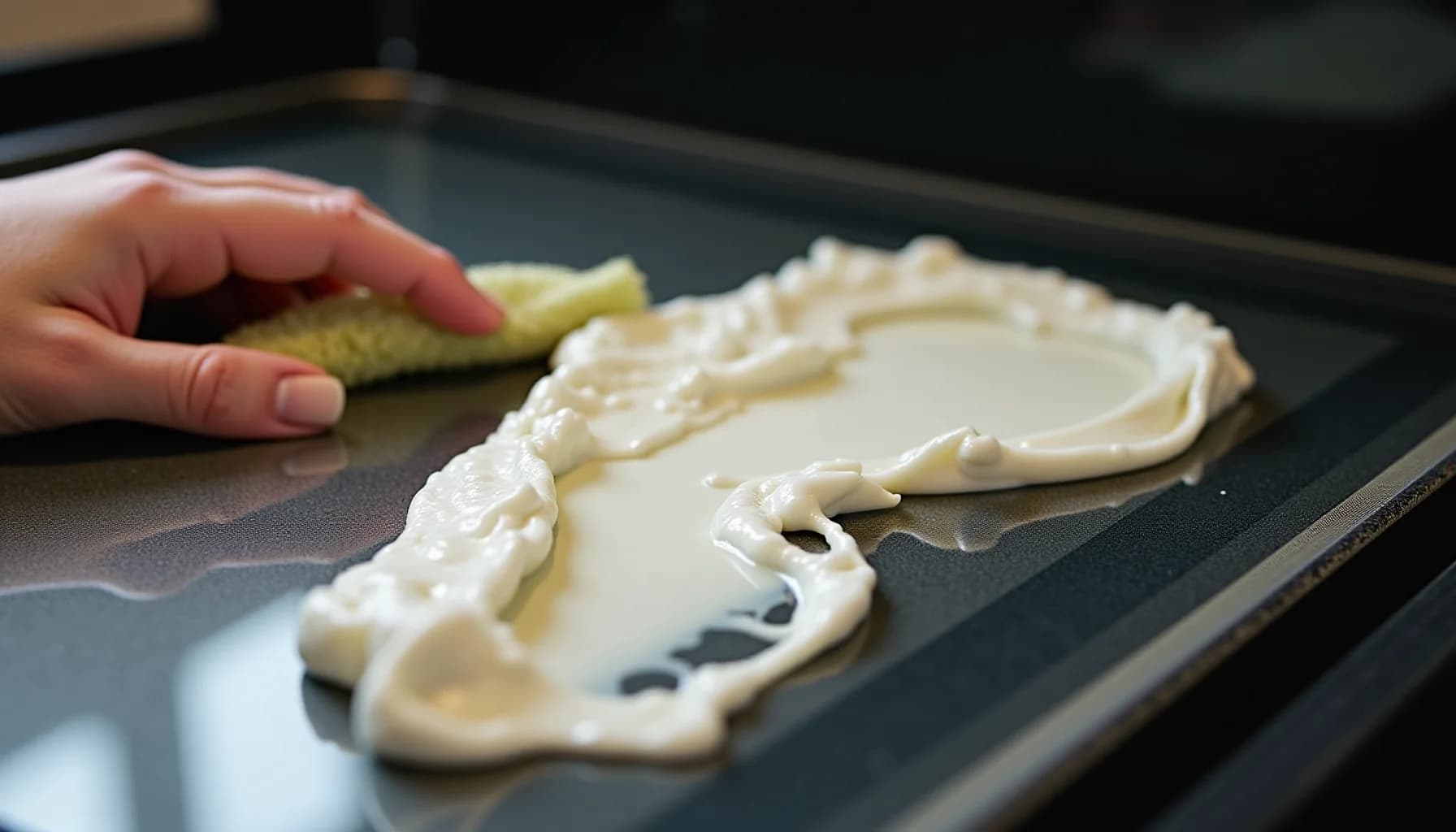
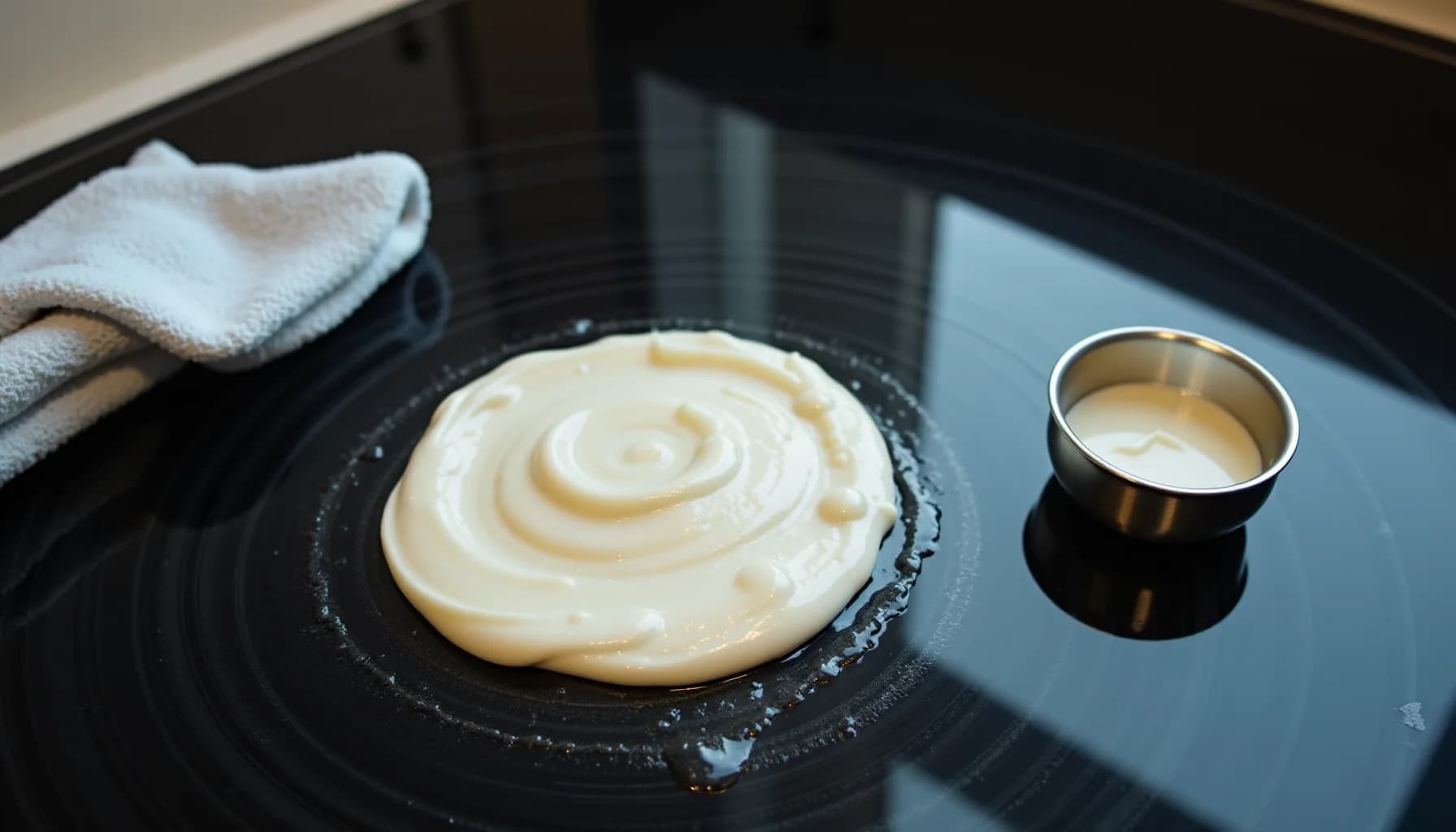
For general grime, spray the cooktop with diluted white vinegar and let it sit for 10 to 15 minutes. For tougher burnt-on residue, mix 1/2 cup of baking soda with 3 to 4 tablespoons of water into a paste, apply it to the stained area, then lay a hot, damp towel over it and leave for 15 minutes to a few hours.
Scrape stubborn buildup at a 45-degree angle
For heavy, stuck-on messes, use a scraper designed for ceramic glass cooktops and hold it at a 45-degree angle against the surface. Do this while the cooktop is warm but not hot, and wear an oven mitt to protect your hand.
Wipe clean and buff to remove film
Lift residue with a non-abrasive sponge using gentle pressure, then wipe the surface horizontally and then vertically with a clean cloth. If a hazy film remains, spray lightly with a gentle cleaner and buff with a dry cloth to restore shine.
Avoid glass cleaner and abrasive products at every step
Never use Windex or any glass cleaner containing ammonia: it leaves permanent stains and can void your manufacturer warranty. Skip steel wool, chlorine bleach, and abrasive scrubbers, and always check your manufacturer's instructions before trying any new cleaning product.
How do you get burnt-on residue off a glass stove top?
Burnt-on residue responds best to soaking, not scrubbing. The more pressure you apply to a glass cooktop, the greater the risk of scratching it, so the goal with each method below is to let chemistry do the work.
Vinegar soak. Once the cooktop is completely cool, mix equal parts white vinegar and water and spray the surface generously, making sure the burnt areas are well coated. Let it sit for 10 to 15 minutes. That contact time loosens the bond between the residue and the glass. After soaking, wipe with a non-abrasive sponge using light, even pressure. If the stain doesn't lift on the first pass, spray again and repeat the soak rather than pressing harder.
Baking soda paste. For more stubborn buildup, combine 1/2 cup of baking soda with 3 to 4 tablespoons of water to form a spreadable paste. Apply it directly over the burnt spots, then lay a hot, damp towel on top and leave it for at least 15 minutes. For particularly tenacious stains, you can leave the towel in place for a few hours. The moisture keeps the paste active and soft against the glass. Lift the towel, then gently remove the paste with a soft sponge. Because baking soda is a mild abrasive, the paste should always remain wet; if it dries on the surface, re-dampen it before wiping.
Scraper technique. When soaking alone isn't enough, a scraper designed for ceramic glass cooktops can handle heavier deposits. Use it while the surface is warm but not hot, wearing an oven mitt for safety. Hold the blade at a 45-degree angle and use short, deliberate strokes to lift the residue. Do not increase the angle or apply downward force, as that is when scratches happen. Work slowly across the affected area, then follow up with a vinegar spray and a soft cloth to remove any loosened particles.
Which Cleaners Are Safe for Glass Stove Tops and Which Ones Cause Permanent Damage?
The single most damaging mistake homeowners make with a glass cooktop is reaching for a bottle of Windex. It seems logical: glass cleaner on a glass surface. But a ceramic glass cooktop is not the same material as a window pane. It is engineered from a blend of glass and ceramic components designed to resist heat, and that composition makes it more vulnerable to ammonia than ordinary glass. The ammonia in standard glass cleaners like Windex does not simply fail to clean, it causes streaking and permanent staining. Several manufacturers go further and specify in their warranty terms that damage caused by glass cleaners voids the guarantee entirely. That is a costly lesson to learn on an appliance you plan to keep for years.
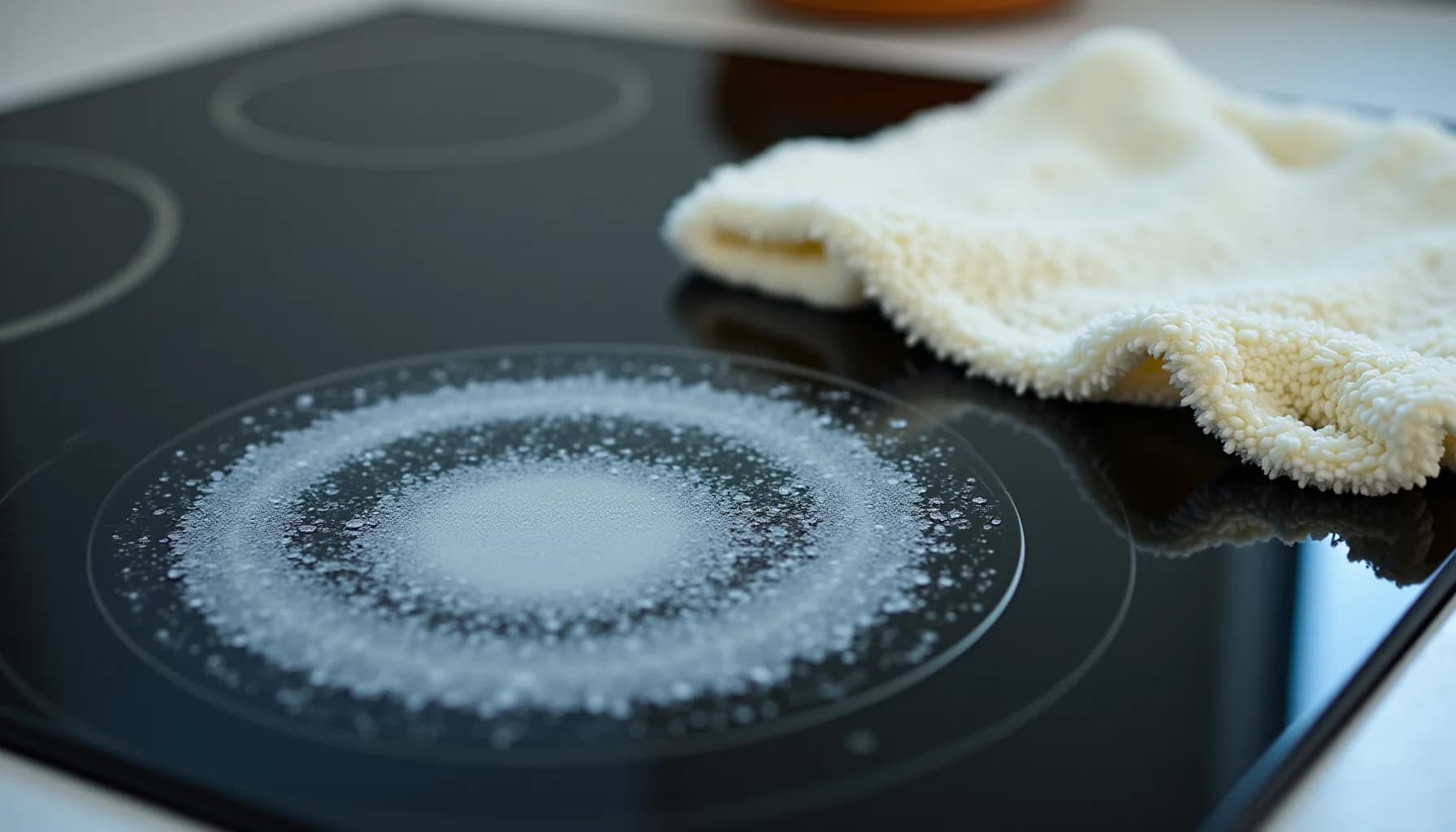
The safer alternatives are closer to what is already in most kitchens. Diluted white vinegar cuts through greasy splatters effectively. Baking soda, used as a paste with water, works on burnt-on residue without scratching because its abrasive action is gentle enough for the surface. For stains that resist both, a small amount of lemon juice can add extra cleaning power. If you prefer a commercial product, Bon Ami is one of the few mild abrasive cleaners considered acceptable for ceramic glass, though you should check your specific manufacturer's instructions first, since guidance varies by brand.
What to avoid entirely: steel wool, the scrubby side of a standard kitchen sponge, chlorine bleach, and ammonia-based cleaners in any form. Even a product marketed as a general multi-surface cleaner can contain ammonia or bleach, so reading the label before applying anything new to the surface is worth the thirty seconds it takes.
What cookware and habits will protect your glass cooktop from scratches?
The surface of a ceramic glass cooktop scratches in an instant, and unlike burnt-on food, those marks are permanent. No paste or polish will fully erase them, which makes the habits you build around cookware selection and daily handling far more consequential than any cleaning product you choose.
Start with the pots and pans themselves. Stainless steel is the safest choice for a glass cooktop: it is lightweight, which reduces the pressure bearing down on the glass surface during cooking. Cast iron is the material to avoid outright. It is heavy, slow to heat, and continues holding heat long after the burner shuts off, which places sustained thermal stress on the glass panel beneath it. That combination of weight and lingering heat can crack or stress the surface over time, not just scratch it.
The single most damaging habit is sliding cookware across the cooktop rather than lifting it. Even a light pan dragged a few inches can leave a scratch immediately. The friction is enough. Every time you adjust a pot's position, grip the handle and lift it clear of the surface, then set it back down where you need it. This applies equally when removing a pan from the burner.
If a cast iron piece has already scratched deeply into the glass and you can feel a ridge rather than just see a mark, stop trying to repair it at home. A structural crack or a deep gouge that catches your fingernail is a sign to contact the manufacturer or a qualified appliance technician, since a compromised glass panel can fail under heat.
Frequently asked questions
Can I use Windex or glass cleaner on my glass stove top?
Do I need to let the stove top cool before cleaning it?
How do I remove burnt-on food from a glass stove top?
Will scratches on a glass stove top go away with cleaning?
Can you fix scratches and hazy film on a glass stove top?
Scratches on a glass stove top are permanent in the true sense: no product fills them in or reverses the damage at the surface level. What you can do is minimize how visible they are. Mix two teaspoons of baking soda with one teaspoon of water to form a paste, making sure it stays wet throughout the process. A dry or crumbly paste acts as an abrasive and will worsen the problem. Apply the wet paste to the scratch with a soft cloth and buff gently in small circular motions, then wipe clean. This won't eliminate the scratch, but it can reduce its appearance enough to be less distracting under normal kitchen lighting.
Hazy film after cleaning is a separate issue and a fixable one. It typically means soap or grease residue has been left behind on the surface. Spray the cooktop lightly with a gentle cleaner, then wipe horizontally first and then vertically with a microfiber cloth. Follow that with a dry buff using a clean cloth. The cross-pattern wipe is more effective than random wiping because it catches streaks that a single-direction pass leaves behind. Consistency matters more than effort here: a quick buff after every use prevents the kind of film buildup that makes the stove look dull even after cleaning.
How this article was made
Researched and written with AI assistance. What gets published is a human editorial decision. Grounded in 8 cited sources.
Edited by Claire Mercier, Editor. The guides are written with AI assistance.
Sources (8)
- How to Clean Glass Stove Tops | Blueland
- How to Clean a Glass Top Stove – Love & Renovations
- The Best Way to Clean a Glass Stovetop | KitchenAid
- How to Clean Glass Electric Cooktops and Stovetops | Maytag
- The Easiest Way To Clean a Glass Top Stove - Bon Ami
- How to Clean Glass Stove Top and Remove Burnt-On Stains - Men's Journal
- How to Clean a Stove Top
- 7 Best Natural Glass Stove Top Cleaners (That Really Work) | Branch Basics