How to Clean Soapstone Countertops Without Ruining the Finish
Part of Stone & Countertops · article 7 of 13
On this page
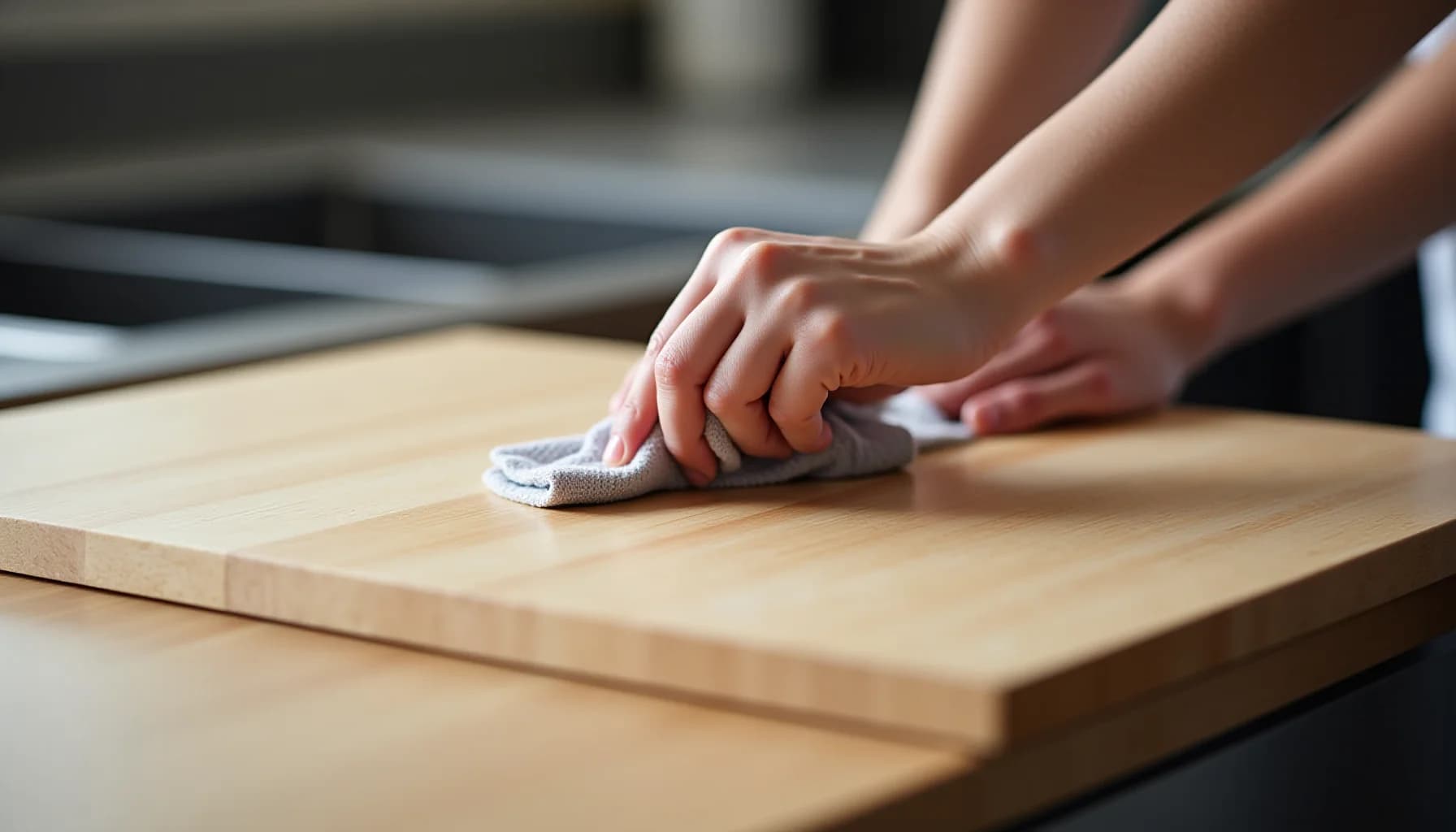
Warm water and a few drops of mild dish soap, applied with a soft cloth or non-abrasive sponge, is all you need for everyday cleaning. Wipe the surface down, rinse with clean water, and dry it thoroughly. Because soapstone has a matte texture, rough scrubbing pads will leave visible marks, so skip them entirely. Avoid bleach and ammonia as well: while soapstone is chemically inert, those cleaners can alter its color and strip any mineral oil finish you have built up. For a broader look at which cleaners are safe on natural stone, that guide covers the full range of household products and their effects.
Why is soapstone so easy to keep clean?
Most natural stone countertops demand careful product selection because their surfaces are porous and chemically reactive. Marble etches if you set a lemon wedge on it. Granite, unless sealed regularly, can absorb oils and moisture. Soapstone behaves differently at a structural level, which is why the cleaning routine stays simple no matter what lands on the surface.
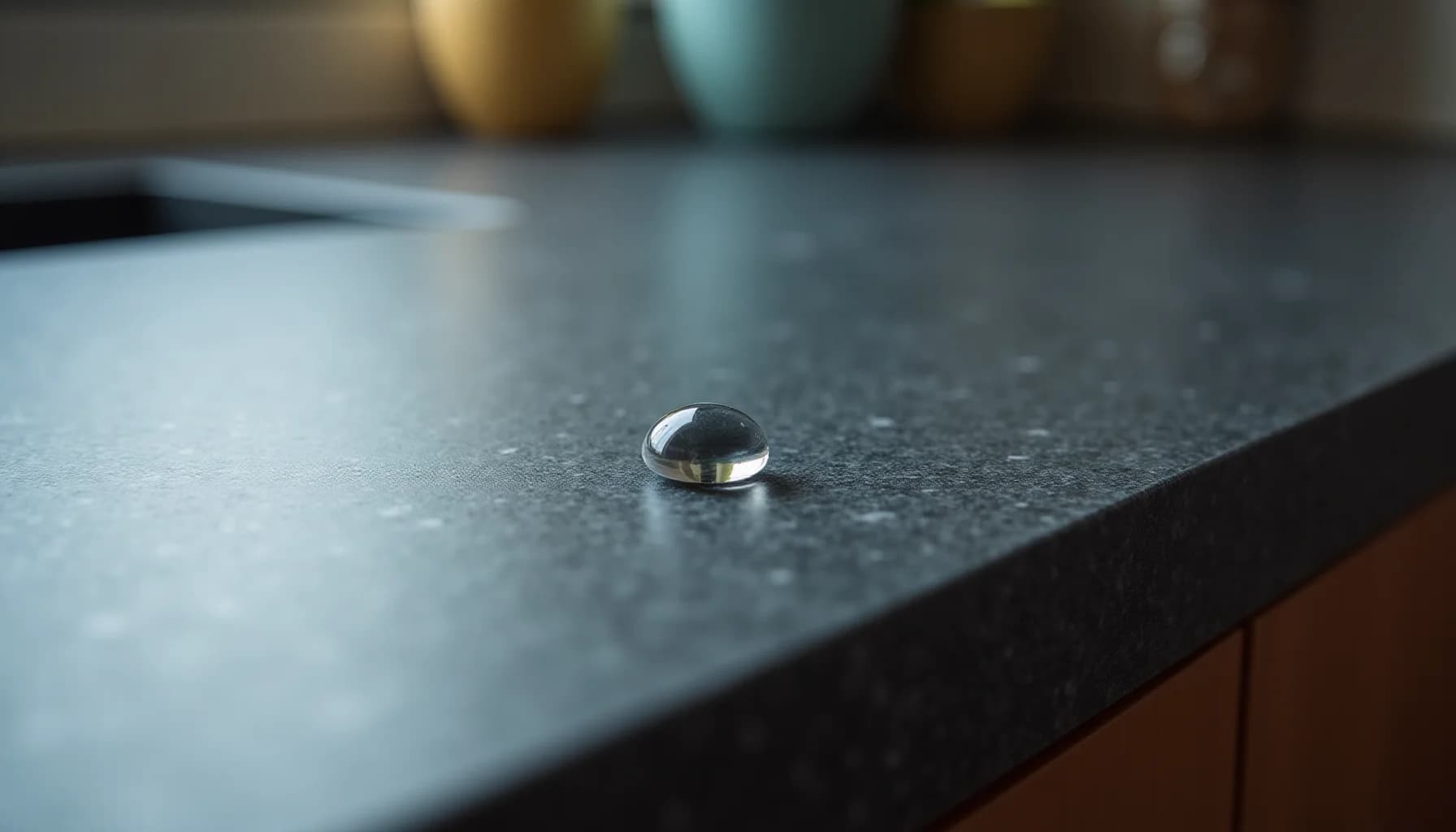
The explanation starts with talc, soapstone's primary mineral component. Talc produces a dense, non-porous stone, meaning liquids sit on top rather than soaking in. There are no microscopic channels for red wine, cooking oil, or acidic juice to travel through. Wipe the surface with a damp cloth and the liquid is gone. That's the full extent of what most spills require.
Chemical inertness is the second advantage. Acids that etch marble and limestone, such as citric acid from citrus fruits, acetic acid from vinegar, or carbonic acid from soda, do not react with soapstone at the molecular level. The stone simply doesn't respond to them. This is why soapstone has been the standard countertop material in chemistry laboratories for decades: researchers needed surfaces that wouldn't degrade under harsh conditions. Your kitchen countertop carries the same property. For comparison, see which cleaners are safe on natural stone to understand exactly why the same bottle of cleaner that's fine on soapstone would permanently damage marble or travertine.
What homeowners sometimes misread as staining is actually uneven darkening, areas where moisture or mineral oil has accelerated the stone's natural color evolution in one spot before another. That is a cosmetic and maintenance question, not a stain in any traditional sense.
What's the best way to clean soapstone countertops every day?
Wipe the surface with warm, soapy water
Add a few drops of mild dish soap to warm water, then use a soft cloth or non-abrasive sponge to wipe down the entire countertop. Soapstone is non-porous, so liquids sit on top rather than soaking in, making this method effective for everyday messes.
Rinse and dry the countertop thoroughly
Wipe the surface with a clean, damp cloth to remove any soap residue, then dry with a soft towel. Skipping the drying step can cause uneven darkening as moisture interacts with the stone's surface.
Check for scratches and sand them out if needed
Because soapstone is softer than granite or marble, light scratches are common. Wet the surface and use 600 to 1200 grit wet/dry sandpaper with consistent hand pressure to buff them out, then wipe clean with a damp cloth.
Decide whether to apply mineral oil
Mineral oil does not protect or seal the stone; it only speeds up the natural darkening process for a more even, uniform look. If you prefer the lighter, raw appearance, you can skip this step entirely without affecting the countertop's stain or scratch resistance.
Apply mineral oil on a set schedule during the first several months
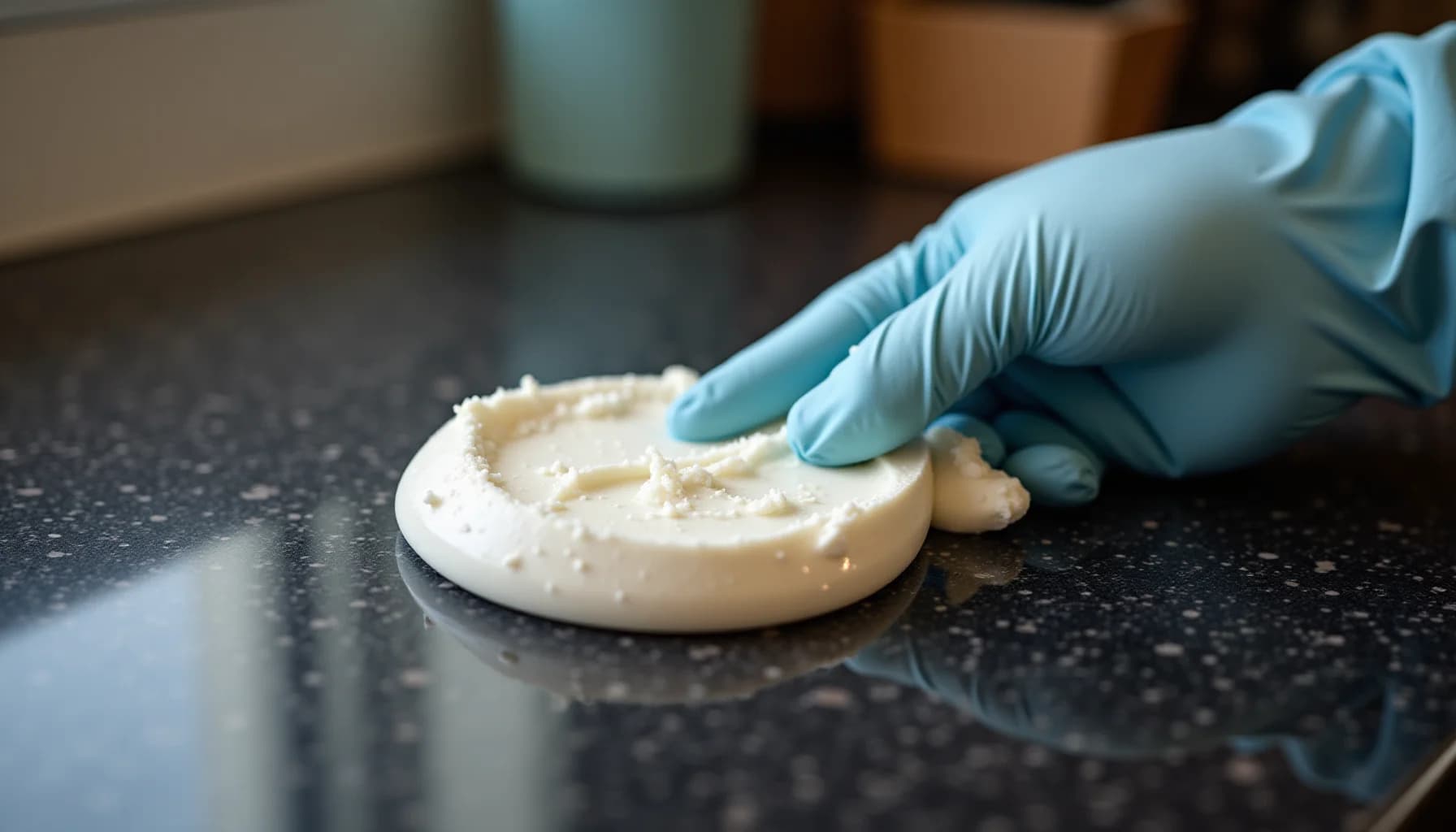
For the first few months, apply a thin coat of mineral oil with a clean rag about once a week. Because soapstone is non-porous, the oil does not penetrate, so wipe away any excess immediately rather than letting it sit.
Switch to a monthly oiling routine after the color stabilizes
Around the sixth to eighth month, the stone will hold the oil longer and reach a permanently darker color. After that point, re-apply mineral oil once a month, or whenever the surface starts to look unevenly light.
Does soapstone need mineral oil, and how often should you apply it?
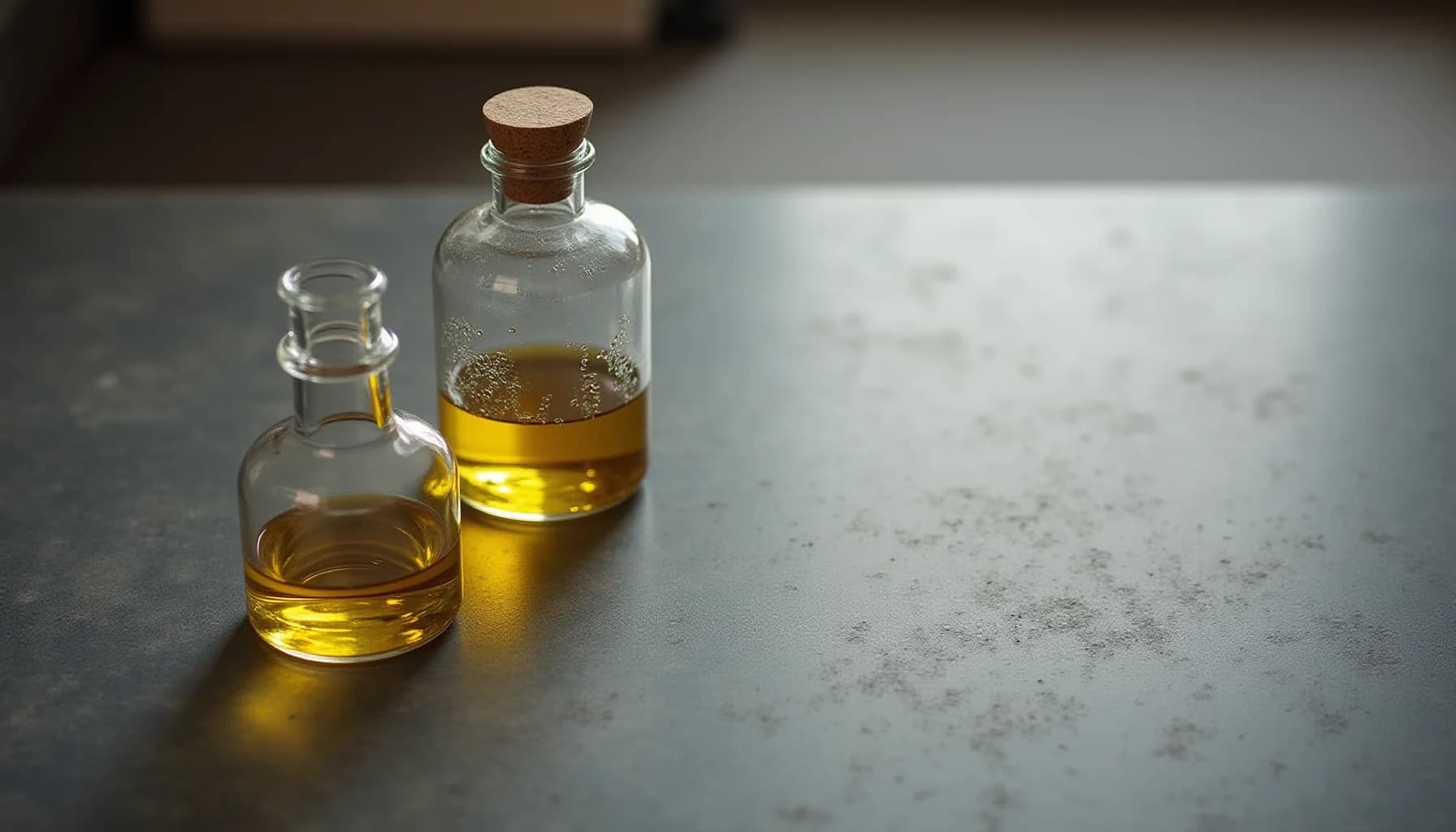
Mineral oil is entirely optional on soapstone. It does not protect the stone, seal it, or make it more resistant to stains or scratches. What it does is accelerate and even out the natural darkening that soapstone undergoes anyway through everyday exposure to water, air, and cooking oils. If you prefer the deep charcoal look from day one rather than waiting years for the stone to darken on its own, oiling gives you control over that process.
When you first apply mineral oil, the transformation is immediate and striking. Raw soapstone is a light gray, and the first coat darkens it considerably. Within a few days, most slabs will lighten back somewhat as the surface oil evaporates. This is normal. The stone is non-porous, so the oil sits on top rather than soaking in; there is no reason to wait before wiping away excess, and letting it pool will not speed anything up.
The timeline works like this: for the first several months, apply a coat of food-grade mineral oil with a clean rag about once a week, then wipe off whatever remains. Each coat darkens the stone a little more than the last, and the surface holds subsequent coats longer than it held the previous ones. Somewhere around the sixth to eighth month, the stone reaches a stable, permanently dark color and the cycle effectively ends. After that point, plan to re-oil once a month, or simply when the surface starts to look uneven or lighter than you'd like. Some homeowners find the oil evaporates within four to eight weeks depending on how heavily the counters are used.
One practical note: if you are uncertain how different products affect natural stone finishes, which cleaners are safe on natural stone is worth reviewing before introducing anything beyond plain mineral oil into your routine.
Do soapstone countertops need to be sealed?
The short answer is no. Soapstone is non-porous, so there is nothing for a sealer to bond to or penetrate. Traditional stone sealers, whether solvent-based or water-based, work by soaking into the microscopic pores of a material and curing inside them. Granite and marble benefit from this because their open pore structure allows liquids, oils, and bacteria to work their way in. Soapstone simply does not have that structure. A sealer applied to soapstone will sit on the surface, fail to cure properly, and either peel away or create a hazy film that looks worse than untreated stone.
This is a meaningful distinction if you are used to caring for other natural stone surfaces. With granite, skipping the sealer every year or two means accepting real stain risk. With soapstone, the resistance to liquids and acids is built into the material itself, primarily because of its high talc content. No finishing product changes that, and no finishing product is needed to maintain it.
Some homeowners, particularly those switching from marble or granite, assume they should seal soapstone as a precaution. If you are unsure how your current countertop is supposed to be maintained, identifying your stone countertop first will save you from applying the wrong products. Soapstone's softness, matte appearance, and characteristic warmth to the touch usually distinguish it clearly from harder stones.
The only surface treatment that makes sense on soapstone is mineral oil, and that is applied for cosmetic reasons only, to even out and accelerate the stone's natural darkening process. It is not a sealant, it does not protect the stone, and it works in a completely different way, which the oiling section of this article covers in detail.
How do you fix scratches on soapstone countertops?
Soapstone is softer than granite or marble, so light scratches are inevitable and genuinely fixable without calling anyone. The repair method is straightforward: wet the scratched area with plain water, then sand gently by hand using 600–1200 grit wet/dry sandpaper. Keep the stone wet throughout the entire process. Dry sanding concentrates friction in one spot and can cut an uneven depression into the surface, which is far harder to correct than the original scratch. Work with consistent, light pressure in small circular motions, keep the paper moving, and wipe the area clean with a damp cloth when finished. Follow immediately with a thin coat of mineral oil applied by hand to even out the surface color.
The mistakes that cause irreversible damage at this stage are using sandpaper coarser than 600 grit and letting the surface dry while sanding. Coarser grits remove material aggressively and leave visible sanding marks that require progressively finer passes to undo. If you let the stone dry mid-process, you lose the lubrication that keeps the abrasion uniform.
Stop and call a stone restoration professional if the scratch is deep enough that you can feel it catch a fingernail, or if repeated light sanding passes are widening rather than reducing the mark. At that point, correcting the damage requires controlled grinding equipment that a homeowner should not attempt. Aggressive DIY grinding on a countertop is irreversible.
Frequently asked questions
What is the best everyday cleaner for soapstone countertops?
Do soapstone countertops need to be sealed?
What does mineral oil actually do to soapstone?
Can soapstone countertops get scratched, and if so, how do you fix it?
What should you avoid using on soapstone countertops?
The biggest threat to your soapstone finish is not a stain, it is stripping the mineral oil you have worked to build up over months of regular treatment. Harsh solvents, heavy-duty degreasers, and solvent-based products can lift that oil layer right off the surface, leaving your countertop looking uneven and lighter in patches. You will then need to restart the oiling process to get the color back to where it was.
Abrasive scrubbers are the other daily risk. Because soapstone is softer than granite or marble, a rough sponge, steel wool pad, or even a stiff-bristled brush can leave visible scratch marks across the matte surface. Those marks catch light differently and accumulate quickly if abrasive tools become a habit. Stick to a soft cloth or non-scratch sponge every time.
On the chemical side, bleach and ammonia-based cleaners are worth avoiding as a routine choice. While soapstone is chemically inert and will not etch the way marble does, these products can cause surface discoloration and will almost certainly strip any applied oil finish. For a broader look at which household cleaners are genuinely safe on stone surfaces, which cleaners are safe on natural stone is worth bookmarking. For daily use, warm water and a few drops of mild dish soap are genuinely all you need.
How this article was made
Researched and written with AI assistance. What gets published is a human editorial decision. Grounded in 8 cited sources.
Edited by Claire Mercier, Editor. The guides are written with AI assistance.
Sources (8)
- How to Clean and Preserve Soapstone Countertops | Merry Maids
- How to Clean Soapstone: Tips and Guide | Pacific Shore Stones
- Maintaining Soapstone Counters - The Martha Stewart Blog
- Cleaning soapstone counters (countertops) | Houzz Forum
- How to remove rings from soapstone countertops and clean them daily?
- Soapstone Care and Maintenance | M Teixeira Soapstone
- Care and Maintenance – Bucks County Soapstone Company
- How to Clean Countertops